By Ifeoluwa Olutayo
These signs follow those who believe. The signs are all there: an article birthing the name Nollywood, an ode to piracy, the driver for the Nollyboom, and video films in shiny VHS packets.
Nigeria’s film history is a storied one, with a lot of our cinematic history confined to dust and forgotten halls. The seminal film, Living in Bondage, is always erroneously mentioned as a starting point for Nigeria’s film industry, and Nollywood as a term of identification is always used to represent the length and breadth of our cinematic expression. This is, unfortunately, false. There is a treasure trove of cinematic art from the earliest films made in Nigeria, like Palaver and Fincho, to the celluloid works of Ola Balogun and Eddie Ugbomah.
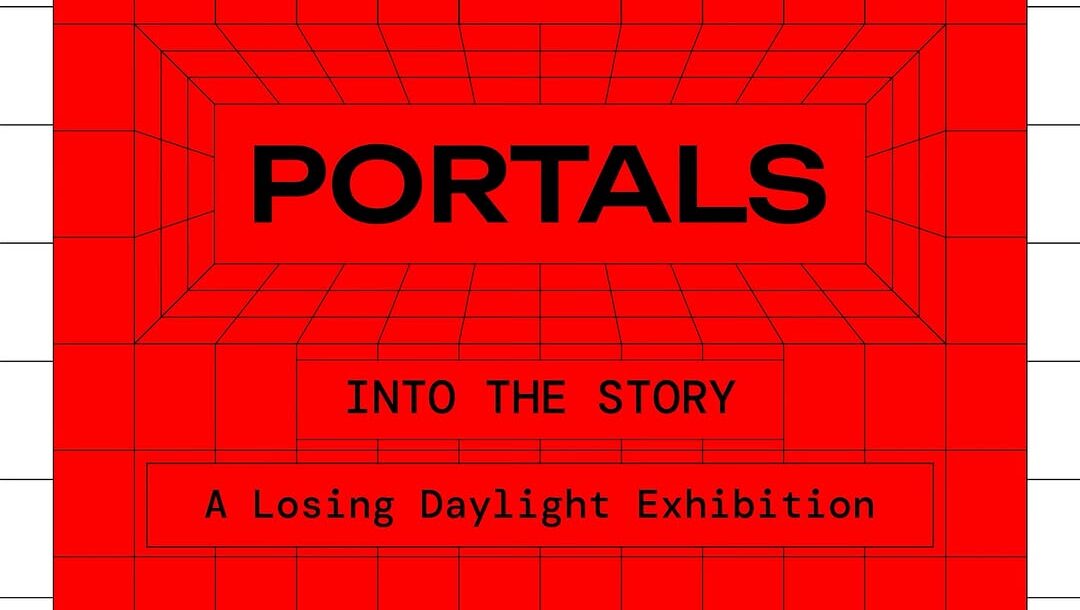
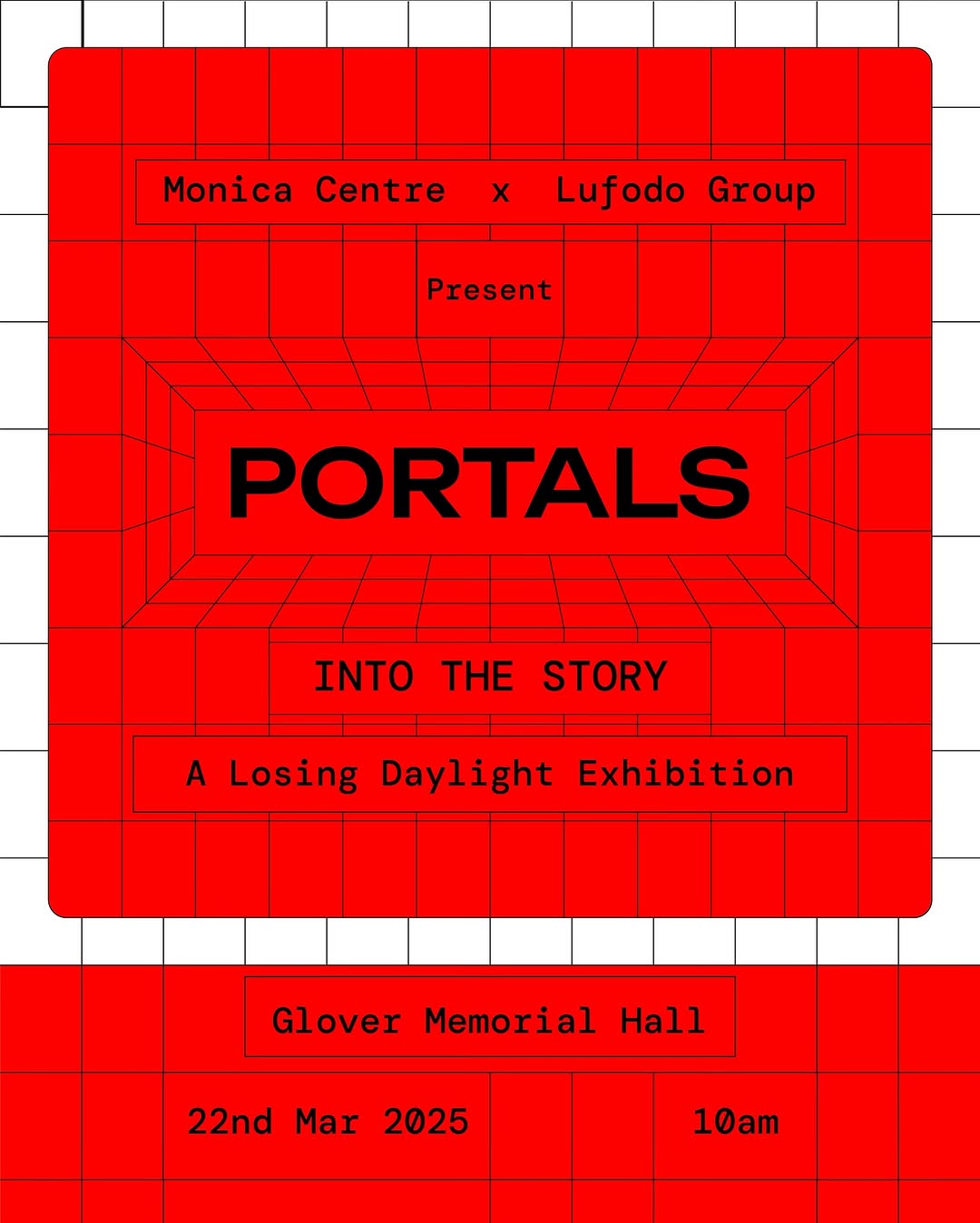
The unearthing of these histories and their presentation to the general populace is one of the goals of Losing Daylight, a venture curated by Taiwo Adeyemi. It is to present, through art and dialogue, a window into Nigeria’s cinematic past and to platform must-have conversations about our heritage and the important task of preservation. All of these considerations are present in the newest iteration of this exhibition, first put together in 2023. A permanent exhibition is now open at Glover Memorial Hall, courtesy of support from a host of patrons, including MoNICA Centre and Lufodo Group (who, headed by the legendary actress Joke Silva, is the management of the hallowed halls of Glover).
The location of this permanent exhibit is also critical to understanding the Nigerian film landscape. This was the location of the first film screening in Nigerian history in 1903, less than a decade after Cinema was invented and the first film was shown to a Parisian public by the Lumiere Brothers.
It was also the location of Ajani Ogun’s sold-out screenings, Nigeria’s first financially successful film, made by Dr Ola Balogun (the father of Nigerian cinema) in collaboration with Chief Duro Ladipo in 1976. This building has been home to those who needed it as a location to show their films in the oil boom era, where mobile distribution was the go-to amidst a continuous battle with American, Indian, and Chinese film imports in the mostly-Lebanese-owned theatres that existed in Lagos.
The location has graced other important events, cinematic and political, and has a critical place in Nigerian history. It is, therefore, fitting that the exhibit, an ode to Nigerian cinema, is domiciled here permanently.
I happened upon the opening of this permanent exhibition, aptly named Portals, looking to engage in dialogue about Nigerian film and Nigerian film history. Portals is a look across time, engaging with all the mediums and tools that have shaped the viewing of Nigerian film for audiences across more than a century. It also speaks to the need for the preservation of our cultural heritage, one that is present in the work we engage in as we move through the site of the permanent exhibition. It is difficult to forge any idea of a country’s heritage (cinematic or otherwise) without a firm handle on what that past looked like.
In what was considered bible, in what the main players of that hey-dey looked like, in what went in front of the audiences of the time and in what the conflicts of the time resulted in. That connection is now, more than ever, very important to how we think of our country and our cinematic heritage.
With installations celebrating the video film era of the Nigerian film industry to the New York Times article penned in 2002 by Norimitsu Onishi crediting with giving the name, Nollywood to the video film industry at the time, we are constantly transported into the past to engage with the tools and stories that predate the industry’s current endeavours.
It is important because I believe that without a firm rooting in the past, we cannot imagine a future that is true to our sense of self. It is critical that those who go into the craft of filmmaking understand just how much of a rich history they stand upon and create work that is armed with this understanding, work that reflects the realities of the societies from which they emerge. The transport back into the past was not only more of a societal experience for me, one to view a world that I didn’t experience in some sense, but it was also personal.
For example, I saw a VHS film, Sango, that I have fond memories of. It was one of the first films to leave an imprint on my impressionable mind in the early 2000s, a wonder of effects and a powerful performance by Wale Adebayo, towering in his anger, summoning lightning, and breathing fire. It was, in a sense, a return to a home my family had left behind in 2015, with its red rugs and incandescent bulbs, to Sunday watching cable.
There was also present, the early iterations of the decoders that provided access to satellite television at its launch in the 2000s, specifically DSTV, launched by Multichoice in 1995. I spotted one of these decoders, incidentally the exact make that prompted the very happenings of our first connection to satellite television, reliving Saturday mornings on my favourite channels.
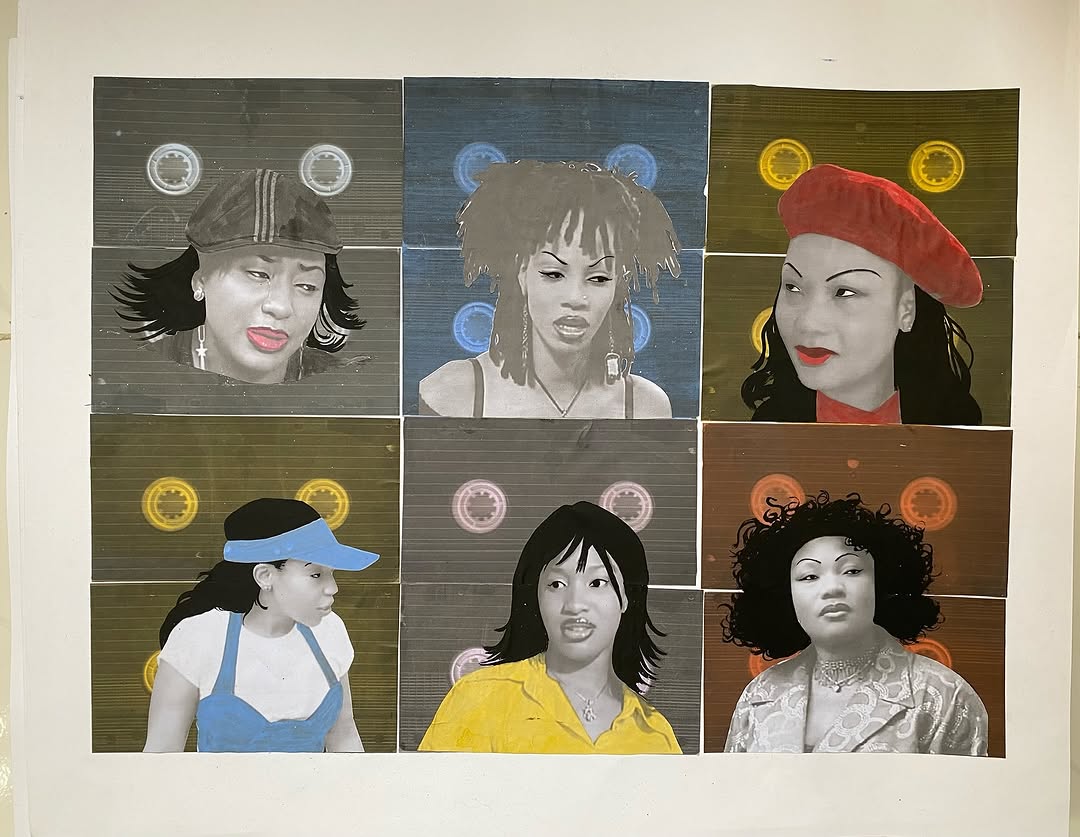
Installations, like a blown up cassette tape and a wall of hung CDs, pay homage to the video film era, one that was powered by these mediums and piracy, the driver of the Nollywood boom. With the opening discussions and dialogues around the importance of film history made corporeal, there was also the opportunity to hear from pivotal figures like Mrs. Joke Silva and Dr Shaibu Husseini, the DG of the Nigerian Film Video Censors Board (NFVCB).
All in all, Portals is a great entry point into the rich film history we carry as a nation and a critical opportunity to bring these events and landmarks to the fore to be discussed and immortalised in the minds of the general populace.
Narratives abound, and signs were present.
What signs?
Nostalgia, film’s high-flying mediums of old and an industry immortalised through art within a legendary building.